

This is QRA – Quick Reaction Alert
What happens if an unidentified aircraft approaches Norwegian airspace?
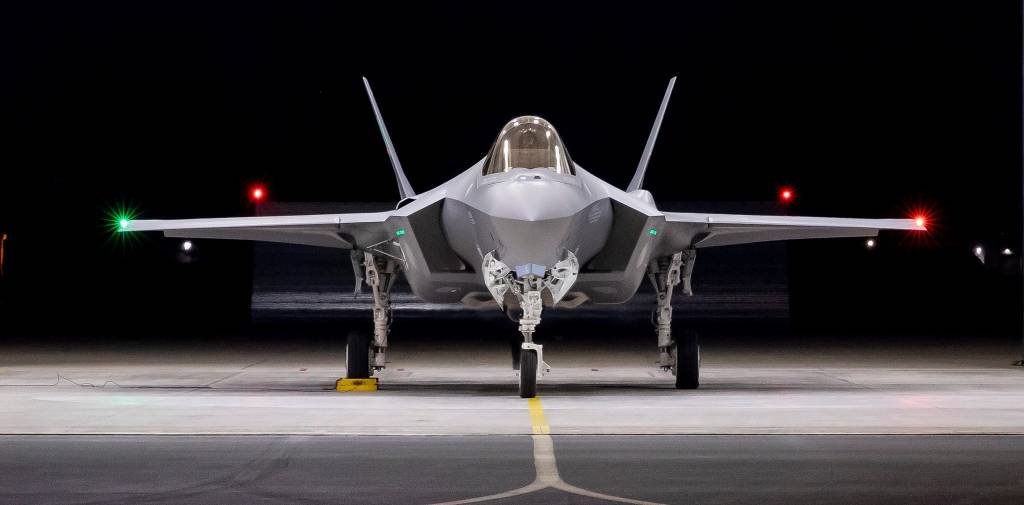
The Norwegian Armed Forces continuously monitor Norwegian airspace and surrounding areas. If an unidentified aircraft approaches our airspace, the Norwegian Armed Forces scramble two F-35 fighter jets from Evenes Air Station. The fighter jets locate, identify and document the unidentified aircraft. The F-35s also prevent aircraft from entering Norwegian airspace without authorisation.
This readiness mission is known as Quick Reaction Alert (QRA). We carry out this mission on behalf of NATO, with Norway maintaining two fighter jets ready to scramble at all times. When the alarm is raised, the aircraft are airborne within 15 minutes.
Below, you can follow a QRA mission step by step. At the end of the article, you can also read more about the types of unidentified aircraft encountered and who operates them.
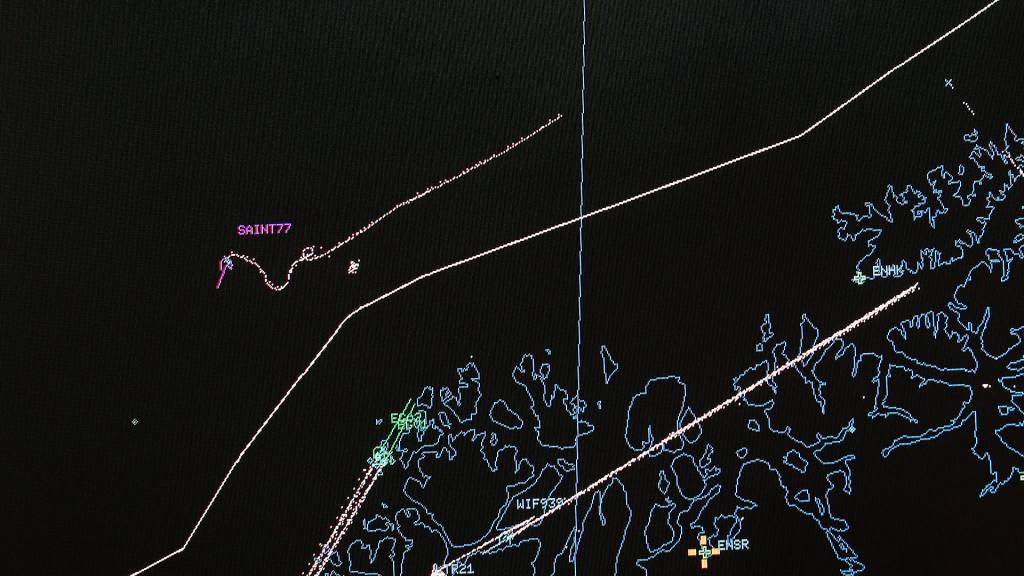
The Norwegian Armed Forces monitor Norway’s airspace 24–7. Surveillance is conducted from the Combined Air Operations Centre (CAOC). Its task is to maintain situational awareness of air traffic within and around Norwegian airspace.
The CAOC uses data from radar installations located across Norway, from Vardø in the north to Skykula in the south. If an aircraft is detected without an active transponder, radio contact with civilian air traffic control or an active flight plan, it is reported to the operations centre.
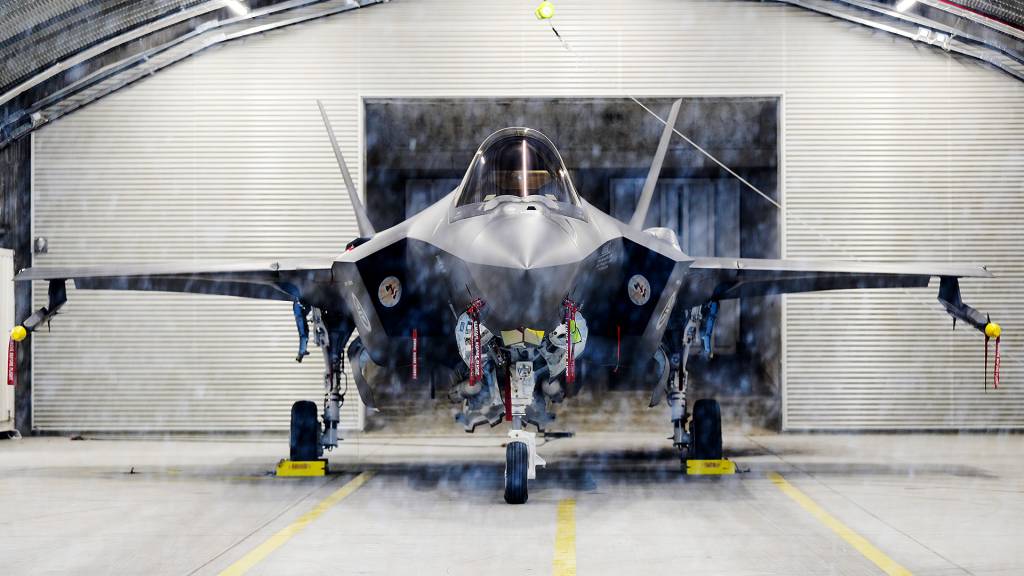
The officer in charge of the CAOC operations centre decides whether to scramble the QRA aircraft.
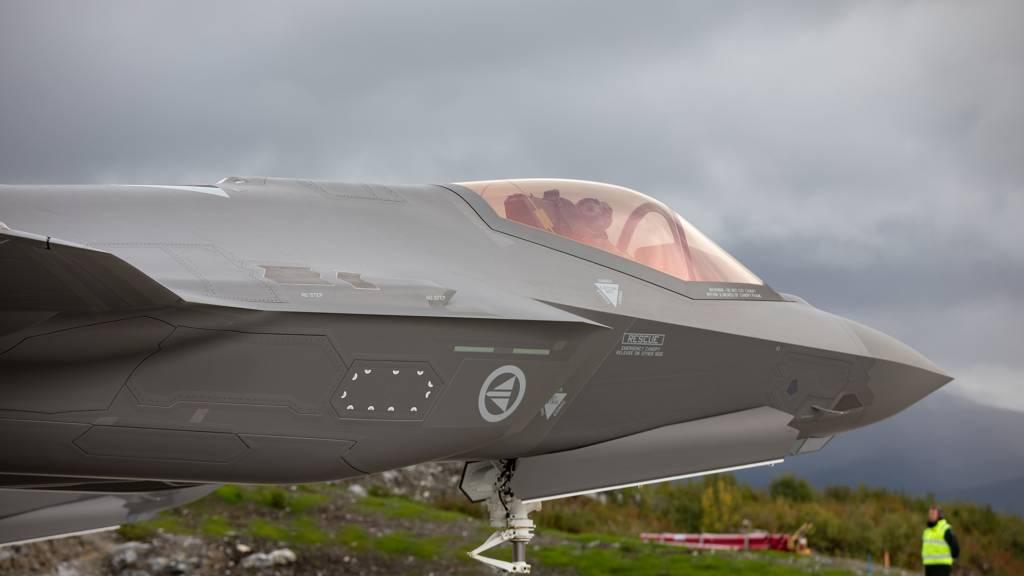
Once the order to scramble is given, it takes only minutes for the technicians to prepare the aircraft and the pilots to be in their cockpits. From the moment the alarm is raised, the F-35s are airborne within a maximum of 15 minutes.
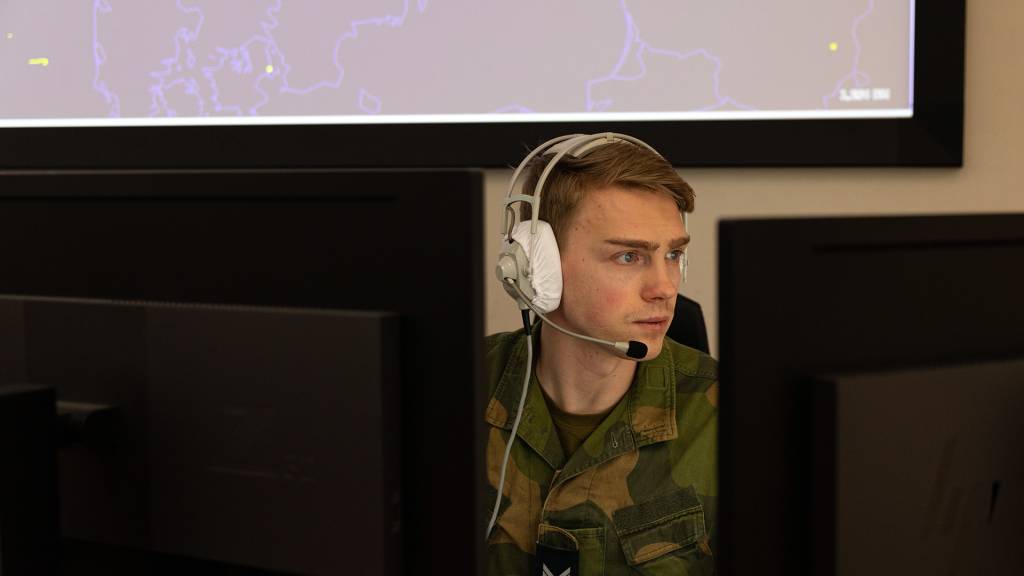
En route to the unidentified aircraft, the F-35 pilots communicate with personnel at the CAOC. The personnel use classified radio communications, data links and radar systems to determine how best to guide the F-35s towards the unidentified aircraft.
Once the F-35 pilots are close enough to establish visual contact with the unidentified aircraft, they take over navigation. One F-35 positions itself slightly above, ahead of and to the left of the unidentified aircraft, while the other remains slightly further back to maintain situational awareness.
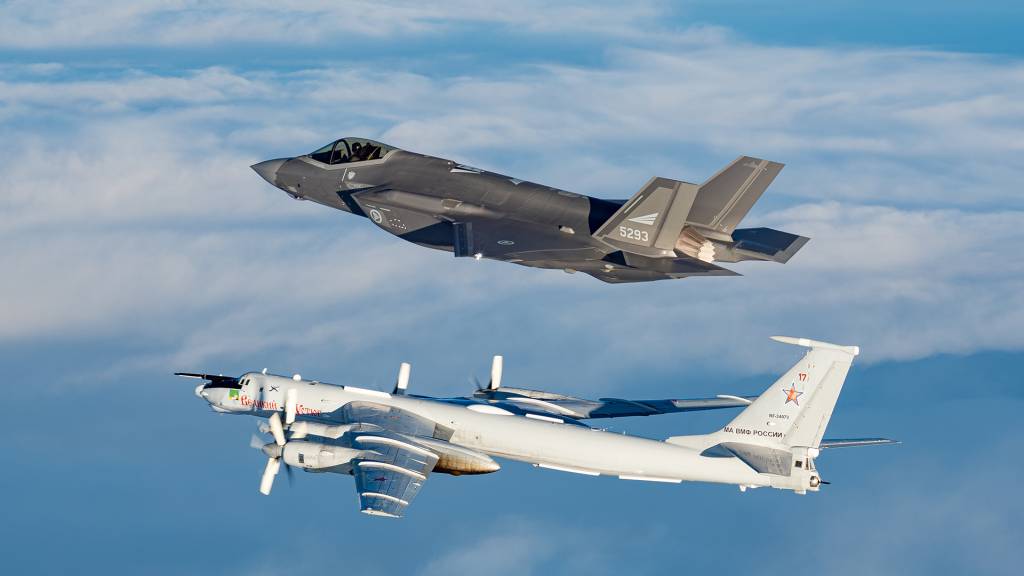
Flying so close to other aircraft may appear dangerous. However, Norwegian fighter pilots are highly trained and must adhere to strict rules and procedures when carrying out such identification missions.
Among other requirements, they must maintain a safe distance from the aircraft to avoid creating a dangerous situation, while maintaining visual contact with the pilot-in-command of the other aircraft.
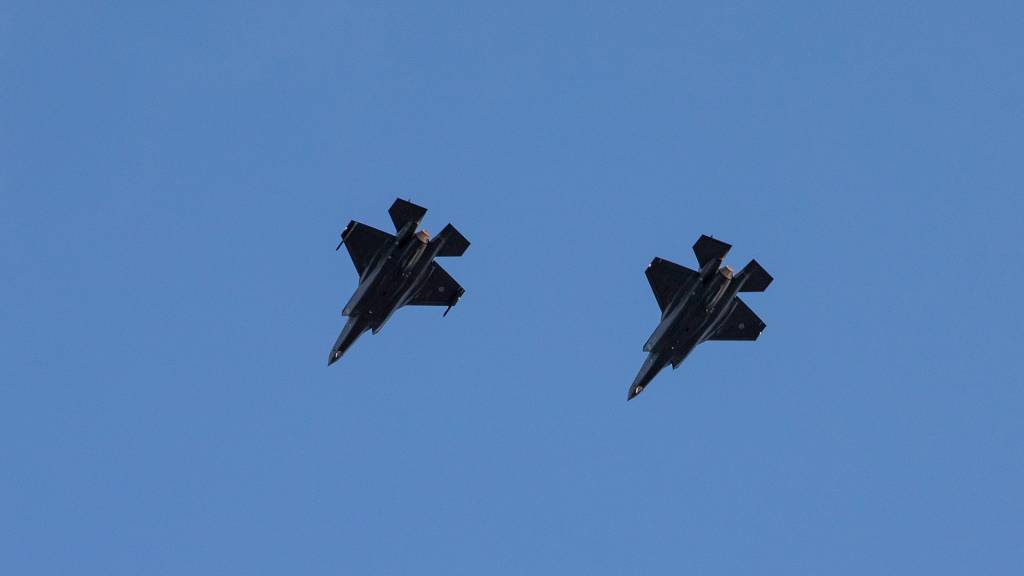
If necessary, the QRA aircraft can escort the aircraft to designated airfields or out of NATO airspace. In the event of a civilian aircraft being hijacked, the incident would normally be handled by civilian authorities, such as the police. In such cases, NATO would transfer control of the QRA aircraft to the Norwegian authorities.
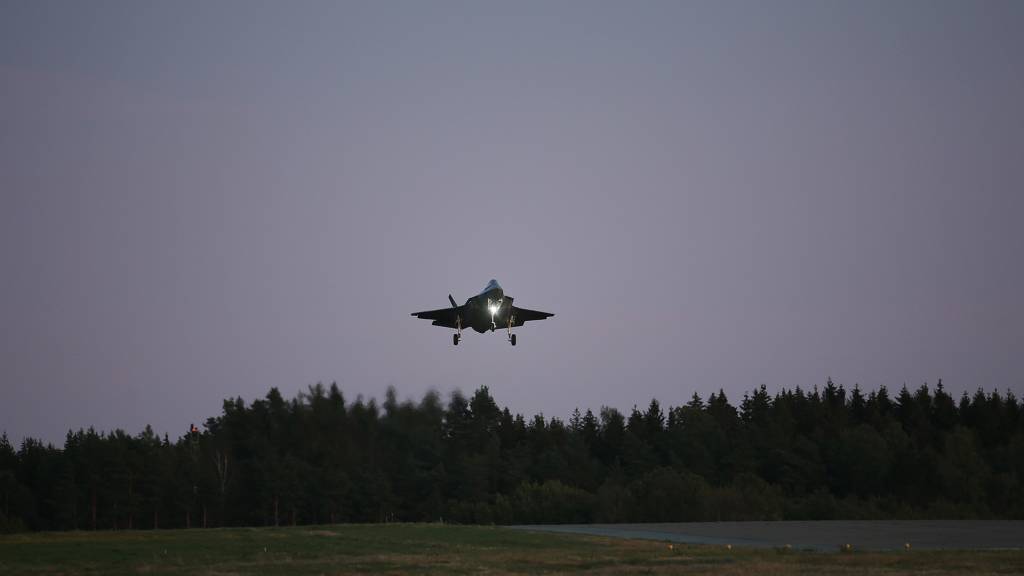
Once the situation has been resolved, the F-35s return to Evenes Air Station.
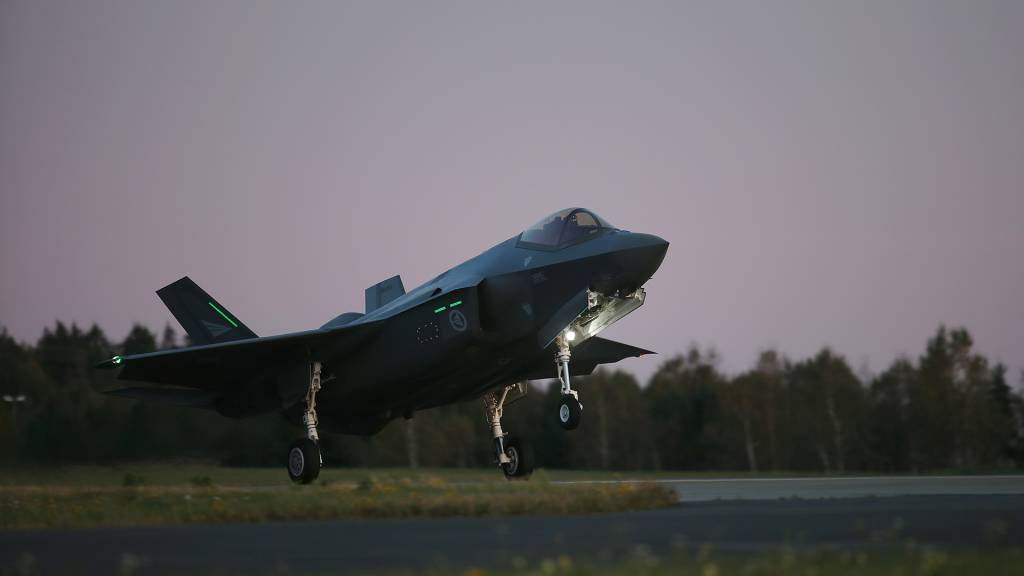
Once the operation is complete, the Royal Norwegian Air Force submits a report to the CAOC, enabling NATO to maintain an up-to-date overview of QRA missions. The reports are archived for statistical purposes and future reference.
What is an ‘unidentified aircraft’?
An unidentified aircraft is an aeroplane, helicopter, drone or other type of aircraft flying with its transponder or transmitter switched off. Norwegian radar systems will detect these aircraft, but civilian air traffic controllers and the Norwegian Armed Forces will not know exactly what type of aircraft they are or who operates them. In Norway’s case, such unidentified aircraft are primarily Russian military aircraft conducting various flight and training missions along the boundaries of Norwegian airspace.
These Russian flights are not unusual, and Russia is within its rights to conduct such missions. Nevertheless, it is important for Norway and NATO to locate and identify the aircraft. We do this to monitor the frequency of flights and flight patterns, but also to demonstrate that we maintain control and actively monitor air traffic.
Each year, the Norwegian Armed Forces carry out around 50 such QRA scrambles, identifying approximately 70 aircraft annually.
Interception and escort
We use the term ‘interception’ when an F-35 heads towards an unidentified aircraft and manoeuvres smoothly into position alongside it in a controlled manner. This is carried out in accordance with procedures established by the International Civil Aviation Organization (ICAO).
If an unidentified aircraft enters Norwegian airspace without authorisation, Norwegian F-35s will scramble and escort the aircraft out of Norwegian airspace (intervention), following international ICAO procedures. This may involve, for example, assertive flight manoeuvres to compel the unidentified aircraft to change course away from Norwegian airspace. Such incidents are extremely rare in Norway and typically occur many years apart.
QRA statistics
Scrambles and identifications in recent years
- 2026: 82 scrambles, with 112 aircraft identified*
- 2025: 41 scrambles, with 53 aircraft identified
- 2024: 38 scrambles, with 69 aircraft identified
- 2023: 32 scrambles, with 59 aircraft identified
- 2022: 24 scrambles, with 43 aircraft identified
- 2021: 34 scrambles, with 58 aircraft identified
- 2020: 50 scrambles, with 96 aircraft identified
- 2019: 38 scrambles, with 83 aircraft identified
- 2018: 57 scrambles, with 100 aircraft identified
- 2017: 37 scrambles, with 59 aircraft identified
* As of 14 October 2026
Until the end of 2021, the QRA mission was carried out by F-16s operating from Bodø. In 2022, F-35s took over the mission from Evenes Air Station.
The number of aircraft identified does not include all unidentified aircraft operating near Norwegian airspace. For example, the Norwegian Armed Forces’ radar systems may detect a group of six unidentified aircraft, but we may choose to locate and identify only two of them. The primary purpose of QRA is not necessarily to identify every unidentified aircraft, but to monitor operational patterns and the frequency of such flights.